Recognizing the Key Attributes of Pipeline Providers and Their Influence on Effectiveness
Pipeline solutions play a vital role in various markets, affecting operational performance noticeably. Key functions, such as advanced monitoring technologies and upkeep techniques, are essential for decreasing downtime. In addition, regulatory conformity assurances safety and security and environmental security. Nevertheless, the interaction between layout, infrastructure, and economic variables can make complex these processes. Recognizing exactly how these aspects impact total efficiency elevates important questions about ideal methods and future developments in the area.
The Duty of Innovation in Pipeline Surveillance
As innovations in technology proceed to advance, the relevance of efficient pipeline monitoring has actually become significantly apparent. Modern pipe systems rely on sophisticated monitoring tools that improve functional performance and security. Technologies such as real-time information analytics, sensors, and drones provide drivers with prompt understandings right into pipeline conditions, allowing them to spot leakages, corrosion, and other potential issues before they rise into significant troubles.
The assimilation of Internet of Things (IoT) tools has changed standard tracking approaches, permitting for continuous security and automated reporting. This aggressive technique not just reduces dangers however also maximizes maintenance routines and source allowance. Additionally, progressed software application systems assist in data visualization and interpretation, encouraging decision-makers to react quickly to anomalies. Jointly, these technical innovations not just improve pipe integrity but also foster ecological stewardship by minimizing the prospective effect of leakages and spills.
Maintenance Methods for Boosted Effectiveness
Efficient upkeep methods are crucial for maximizing pipe performance. Executing predictive maintenance techniques, sticking to regular assessment methods, and developing robust emergency situation feedback strategies can substantially improve functional reliability. These methods not only lessen downtime yet likewise contribute to the overall security and honesty of pipeline systems.
Predictive Upkeep Techniques
Anticipating maintenance methods are progressively acknowledged for their capability to enhance operational performance in pipe solutions. By leveraging information analytics and checking modern technologies, these strategies enable operators to anticipate devices failures before they take place. This proactive approach lessens unexpected downtime, decreases upkeep expenses, and prolongs the lifespan of essential assets. Sensors and IoT devices play a pivotal function in accumulating real-time data, permitting the assessment of devices health and wellness and efficiency patterns. Equipment knowing formulas analyze this data to identify patterns and forecast possible problems. Pipeline drivers can arrange maintenance tasks during non-peak times, optimizing resource allowance and making sure continual procedure. Eventually, the adoption of predictive maintenance promotes a more dependable and effective pipeline infrastructure.
Regular Examination Protocols
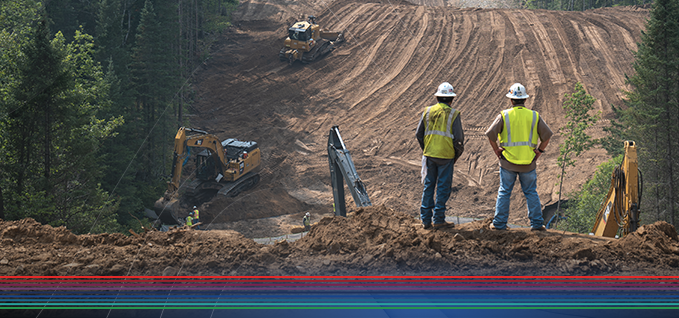
Regular evaluation protocols act as a cornerstone of upkeep approaches targeted at boosting efficiency in pipeline procedures - Creek Pipe local contractor. These procedures involve systematic assessments of pipe integrity, concentrating on discovering prospective issues before they escalate. Regular assessments typically consist of visual evaluations, leak discovery technologies, and pressure surveillance to assure peak efficiency. By sticking to well-known timetables, operators can determine corrosion, product wear, or blockage, thereby lessening downtime and fixing costs. Furthermore, data accumulated during inspections can inform predictive maintenance efforts, enabling an aggressive method to pipeline management. Inevitably, routine inspections not just extend the life-span of pipeline facilities yet likewise contribute to more secure and a lot more reliable transportation of resources, reinforcing total operational efficiency
Emergency Situation Feedback Preparation
Emergency situation action preparation is crucial for keeping efficiency in pipe procedures, making sure that operators are prepared to deal with unanticipated cases quickly and effectively. A well-structured emergency situation reaction strategy includes clear procedures, marked functions, and communication methods to minimize risks connected with pipe failures. Routine drills and training improve team preparedness and acquaint employees with emergency treatments. Additionally, having conveniently offered sources, such as spill containment tools and emergency situation contact lists, can considerably reduce response times. By incorporating real-time monitoring modern technologies, drivers can promptly determine and respond to concerns, reducing ecological impact and operational downtime. Inevitably, a complete emergency situation feedback strategy not only safeguards possessions and employees but likewise strengthens the total effectiveness of pipeline services.
Regulative Compliance and Security Standards
Governing conformity and safety and security standards play a necessary function in the pipeline services sector. Pipeline services Midland Texas. Following market regulations assures that firms apply effective security methods and take the chance of administration methods. This commitment not just shields workers and the atmosphere but additionally improves overall functional effectiveness
Compliance With Industry Regulations
Conformity with market policies is crucial for making certain the safety and security and effectiveness of pipe operations. Regulatory frameworks, such reference as those developed by the Epa (EPA) and the Pipeline and Hazardous Materials Safety Management (PHMSA), established rigid criteria that drivers have to comply with. These policies cover different facets, consisting of pipeline layout, building and construction, upkeep, and monitoring, ensuring that systems operate safely and properly. Non-compliance can cause extreme penalties, operational hold-ups, and ecological dangers. By adhering to these guidelines, pipe firms not just protect public safety and security and the setting however likewise enhance their functional efficiency. Ultimately, governing compliance fosters trust amongst stakeholders, making sure that pipeline services can operate perfectly in an affordable landscape while satisfying lawful responsibilities.
Security Method Execution
Efficient safety and security procedure implementation is a vital component of pipeline operations, closely linked to regulative conformity and safety requirements. Complying with these procedures not just guarantees the security of employees however also safeguards the atmosphere and framework. A durable security structure includes normal training, detailed examinations, and the use of appropriate safety tools. Organizations must continue to be watchful in upgrading their methods to reflect changes in regulations and technical advancements. Compliance with recognized safety and security requirements decreases the risk of crashes and boosts functional performance. Additionally, a culture of safety and security fosters employee interaction and liability, adding to total business success. Ultimately, reliable security protocol implementation is extremely important in maintaining the honesty of pipeline services and attaining lasting sustainability in procedures.
Danger Management Techniques
Applying robust danger monitoring strategies is essential for guaranteeing that pipeline operations comply with regulatory demands and security criteria. Organizations must determine possible hazards and assess threats linked with pipe tasks. This entails conducting complete examinations, utilizing advanced monitoring modern technologies, and maintaining conformity with market laws. Regular training for personnel on security methods improves situational awareness and prepares teams to respond successfully to emergencies. In addition, creating contingency plans and performing drills can considerably mitigate dangers. Collaborating with regulatory bodies makes certain positioning with advancing safety requirements. By focusing on threat monitoring, pipe services can improve operational performance while protecting both the environment our website and public security. Eventually, an aggressive method to risk management fosters a culture of safety within the sector.
Pipeline Style and Infrastructure Considerations
Just how can the layout and facilities of pipelines affect total operational performance? The configuration of pipes plays a crucial role in determining their performance. Effective layout reduces friction losses, thus lowering energy consumption during liquid transport. Factors such as diameter, product option, and format straight impact circulation prices and maintenance needs.
In addition, tactical placement of shutoffs and checking systems improves functional control and safety and security. Midland oilfield pipeline services. Framework considerations, including accessibility for upkeep and repair service, greatly affect downtime and general performance
Moreover, integrating advanced modern technology for real-time tracking facilitates punctual discovery of leakages or inefficiencies, making certain quick feedbacks to concerns. The general structural integrity, influenced by material durability and ecological elements, likewise forms long-lasting operational success. Consequently, thoughtful design and durable framework are vital for making the most of pipeline performance, eventually adding to the reliability and earnings of pipe services.
Environmental Effect and Sustainability Practices
While the need for pipeline services remains to expand, comprehending the environmental impact and taking on sustainability practices has actually come to be significantly vital. The construction and procedure of pipelines can notably influence communities, wild animals habitats, and water sources. To alleviate these influences, firms are applying sophisticated modern technologies and practices focused on minimizing discharges, protecting against spills, and lessening land disruption.
Sustainability efforts typically consist of making use of eco-friendly products, improving power performance, and using renewable resource sources to power procedures. Additionally, business are increasingly carrying out complete ecological assessments before project initiation, making sure compliance with laws and stakeholder interaction.
Cost Monitoring and Economic Consider Pipeline Services
As the pipe market grows, efficient price monitoring and comprehending economic variables become necessary for preserving competition. Firms encounter numerous financial pressures, consisting of varying material costs, labor costs, and regulative compliance charges. To navigate these obstacles, pipe company need to embrace tactical financial planning and budgeting techniques.
Buying modern technology can enhance functional performance, inevitably reducing expenses in time. Furthermore, efficient task monitoring assurances that resources are allocated efficiently, lessening delays and unexpected expenses.

Market problems, such as need for power and geopolitical factors, additionally affect financial stability. Firms must stay dexterous, adjusting their approaches in response to these exterior variables.
Often Asked Concerns
What Are the Various Kinds Of Pipeline Services Available?
Various types of pipeline solutions include transport, storage space, upkeep, assessment, and repair. Each service plays an important role in guaranteeing the smooth motion of products, enhancing security, and reducing functional disturbances across different markets.
Exactly How Often Should Pipeline Inspections Be Carried Out?
Pipeline examinations need to be carried out regularly, typically every one to 3 years, depending on the type and problem of the pipeline. More constant assessments might be required for older or high-risk pipelines to guarantee safety and stability.
What Are the Key Causes of Pipeline Failures?
The primary reasons of pipe failings consist of corrosion, malfunctioning building and construction, material problems, exterior damage, leakages, and operational errors. Each aspect contributes substantially to possible dangers, highlighting the importance of routine upkeep and surveillance for safety.
How Can Business Improve Pipeline Service Integrity?
Companies can improve pipe service integrity by applying normal maintenance timetables, using advanced monitoring technologies, performing complete assessments, purchasing worker training, and taking on positive risk management approaches to expect and alleviate possible failures.
What Role Do Operators Play in Pipeline Services?
Operators play an important duty in pipe services by guaranteeing risk-free transportation, preserving equipment, keeping an eye on system stability, collaborating maintenance, and replying to emergencies. Their know-how directly influences operational efficiency and decreases interruptions in solution delivery.